About Jaipur
Jaipur was laid out in 1727 by Maharaja Sawai Jai Singh II, and its planned streets are still easy to read today. The old city's pink walls date from a royal welcome in the nineteenth century and gave the capital of Rajasthan its popular name.
A good visit mixes forts on the Aravalli ridges with bazaars, block-printed textiles and long evenings over Rajasthani food.
Forts above the city
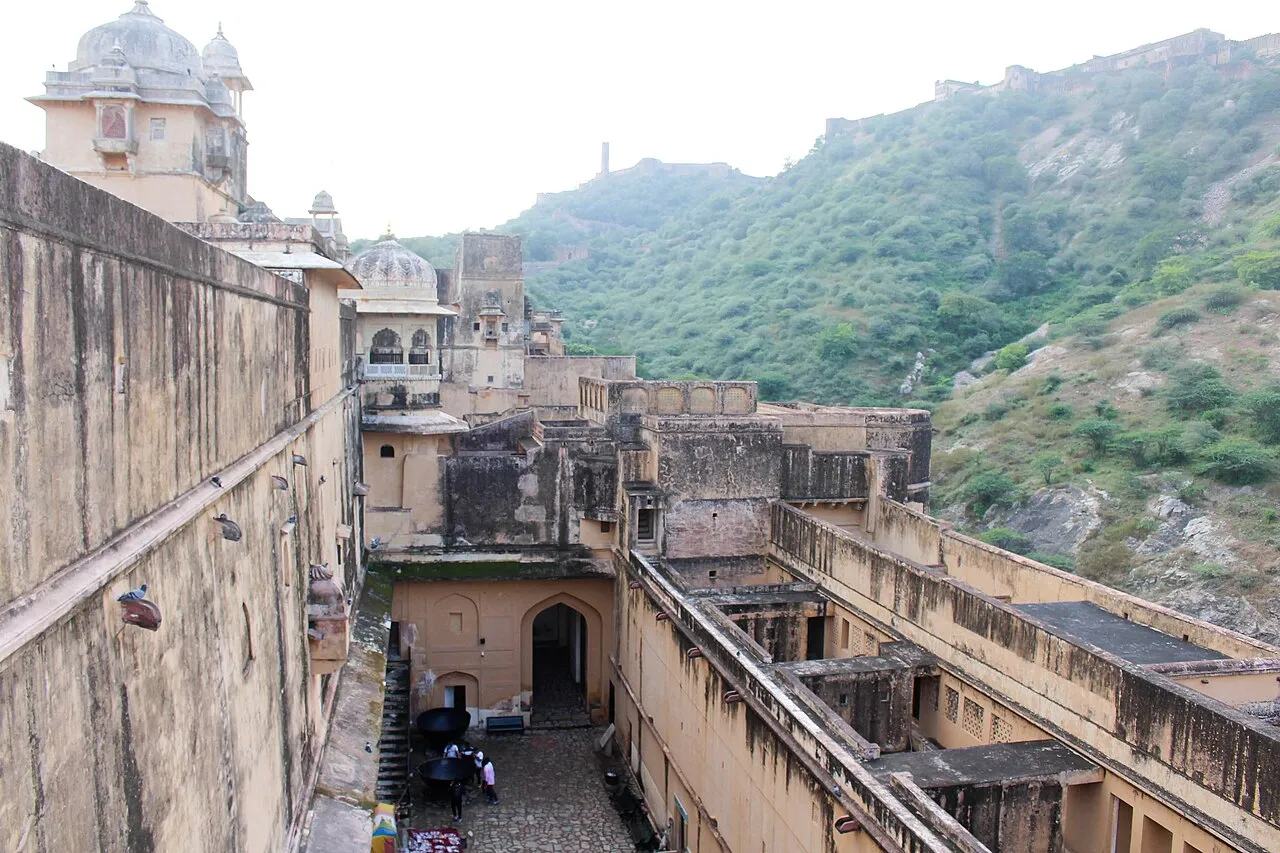
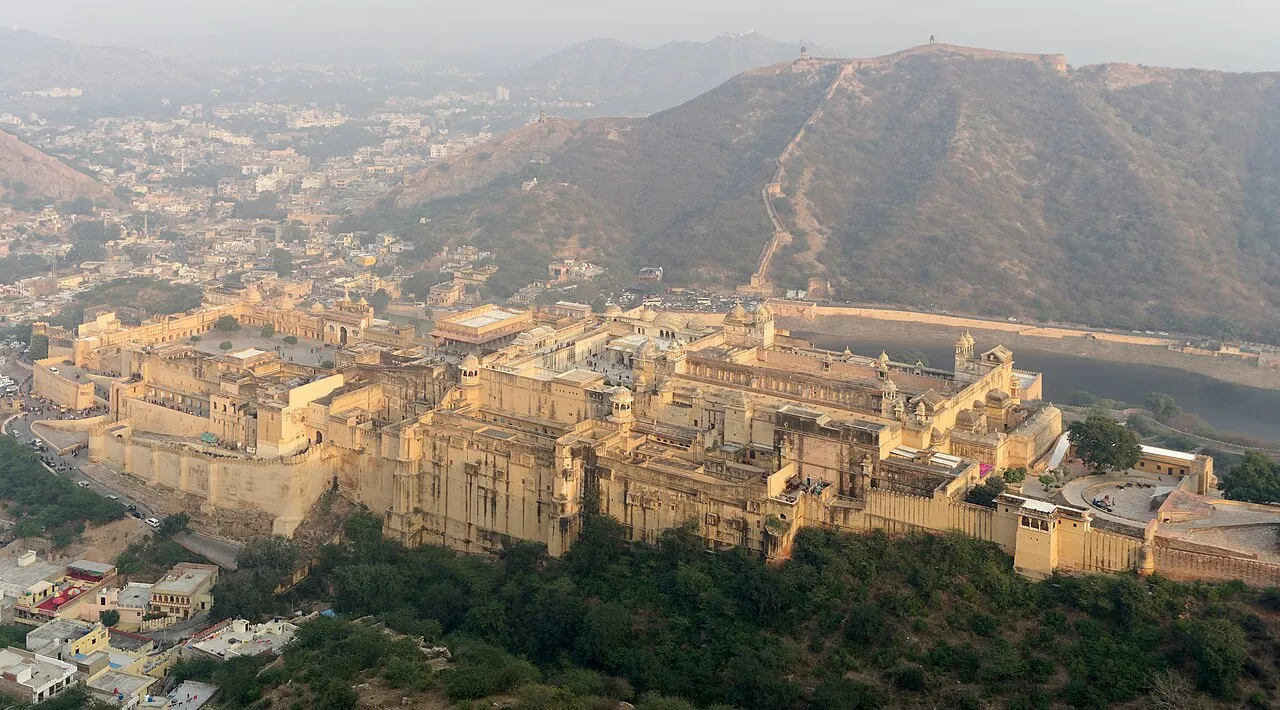
Amber Fort rises above Maota Lake with courtyards of marble, mirrors and painted gateways. Jaigarh and Nahargarh sit higher along the ridge, and Nahargarh is the favourite for a sunset view across the city.
Palaces and an astronomer's garden
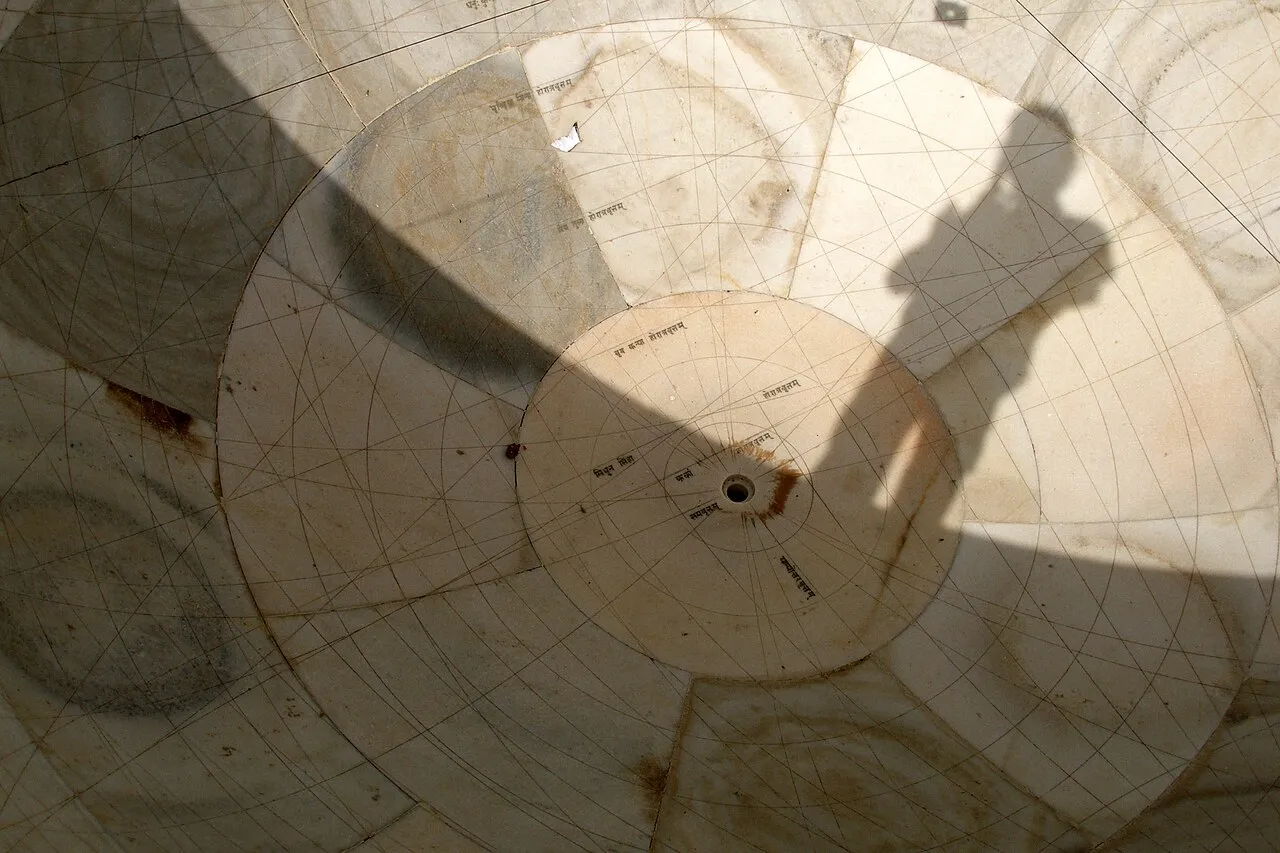
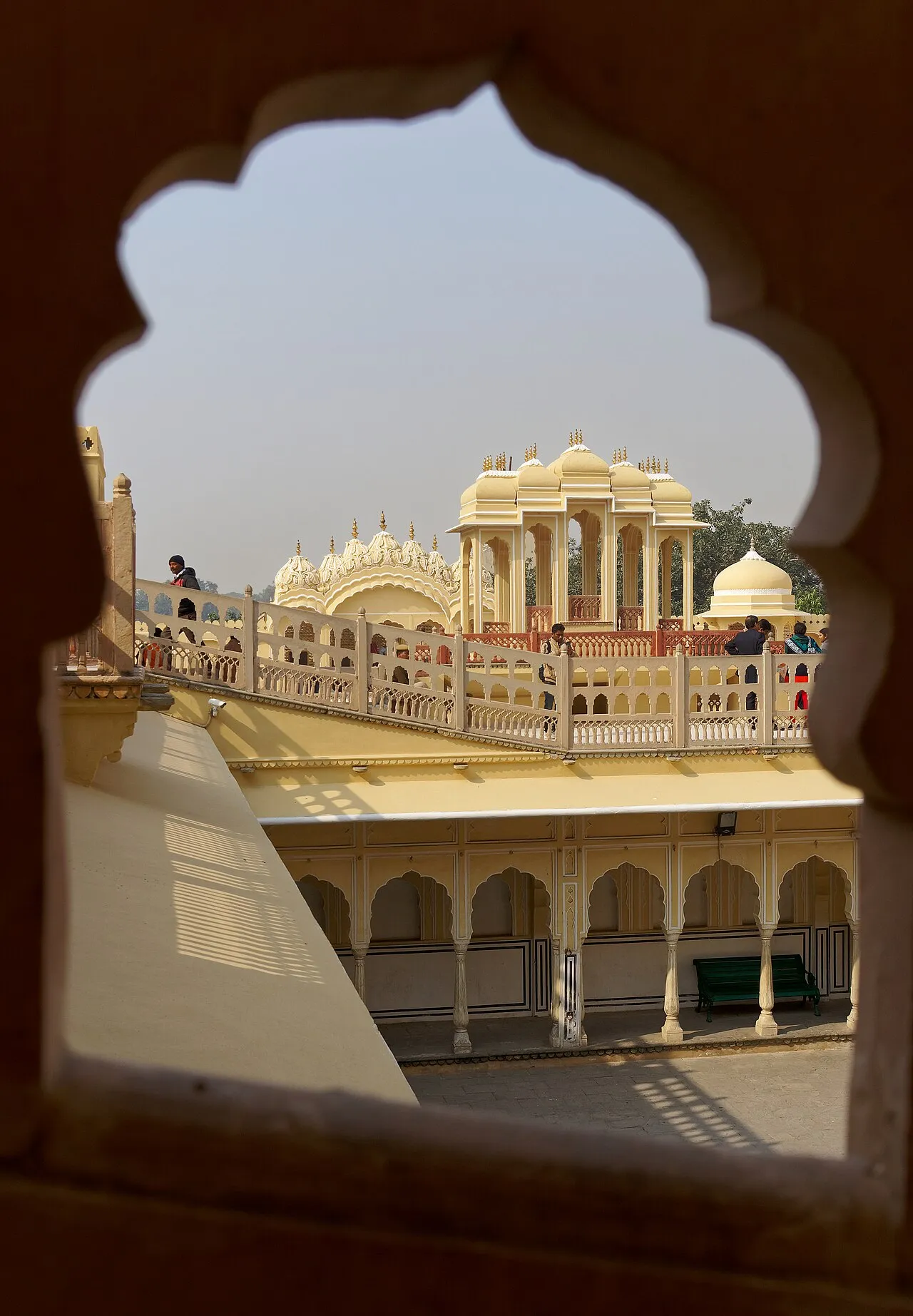
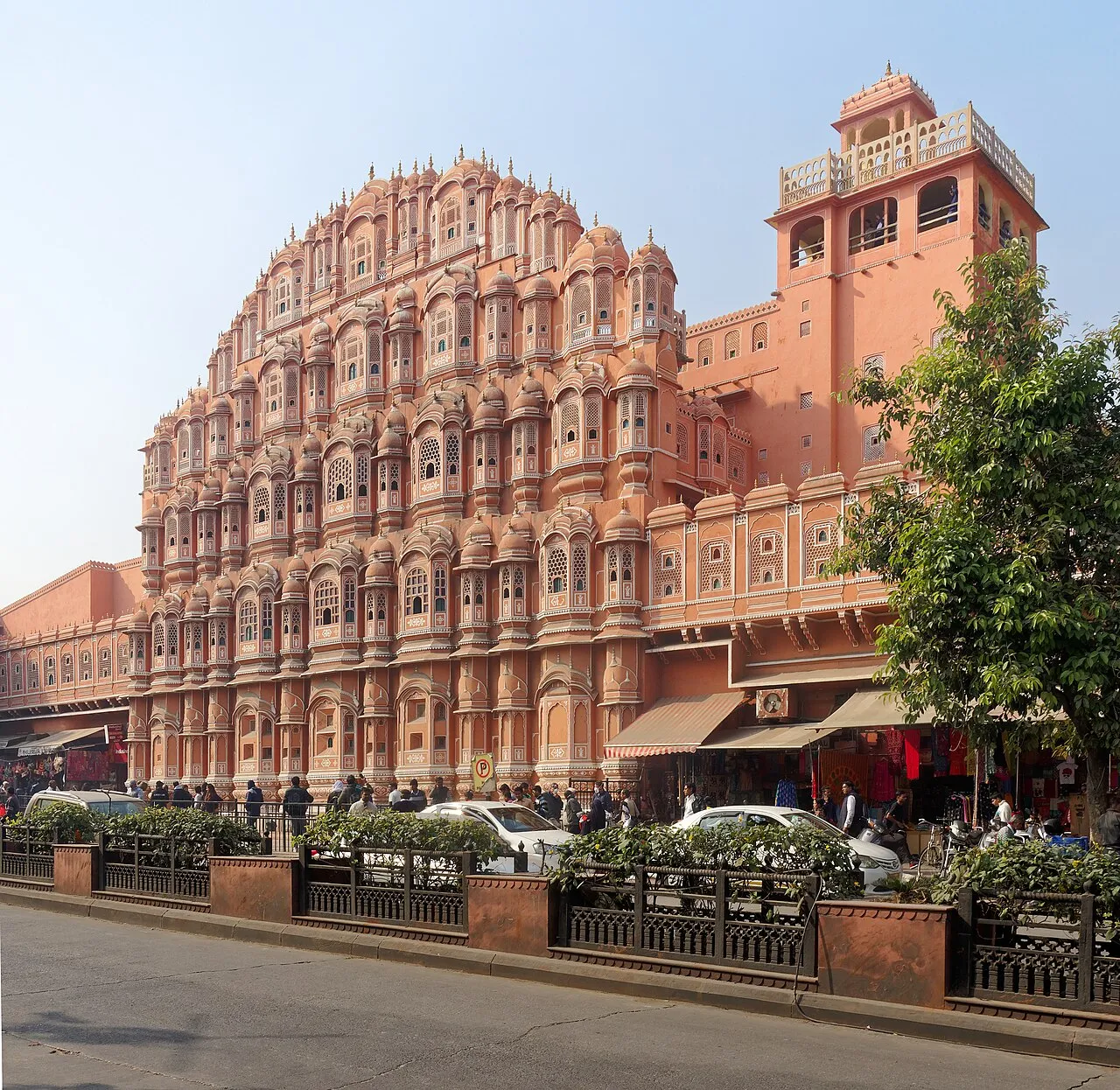
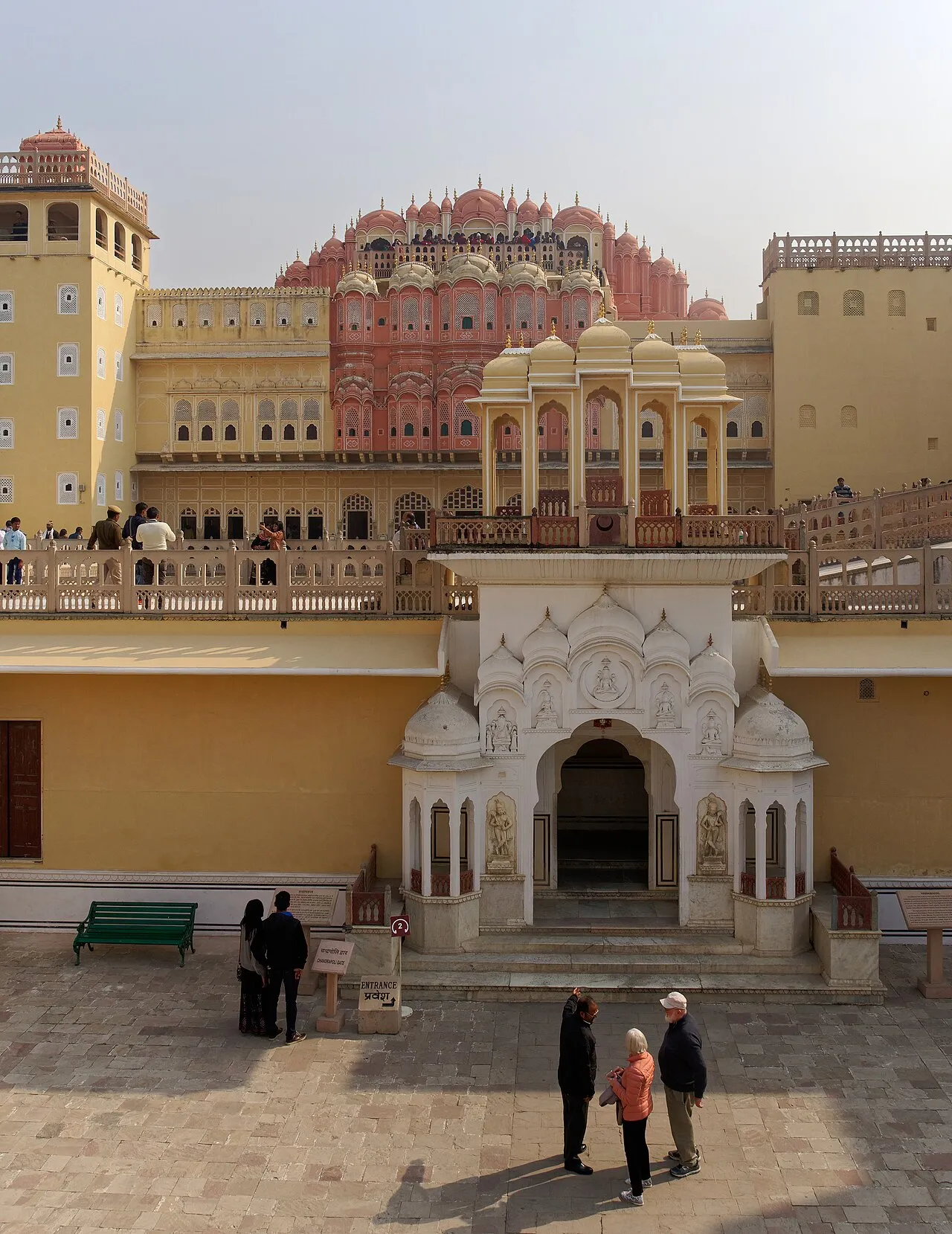
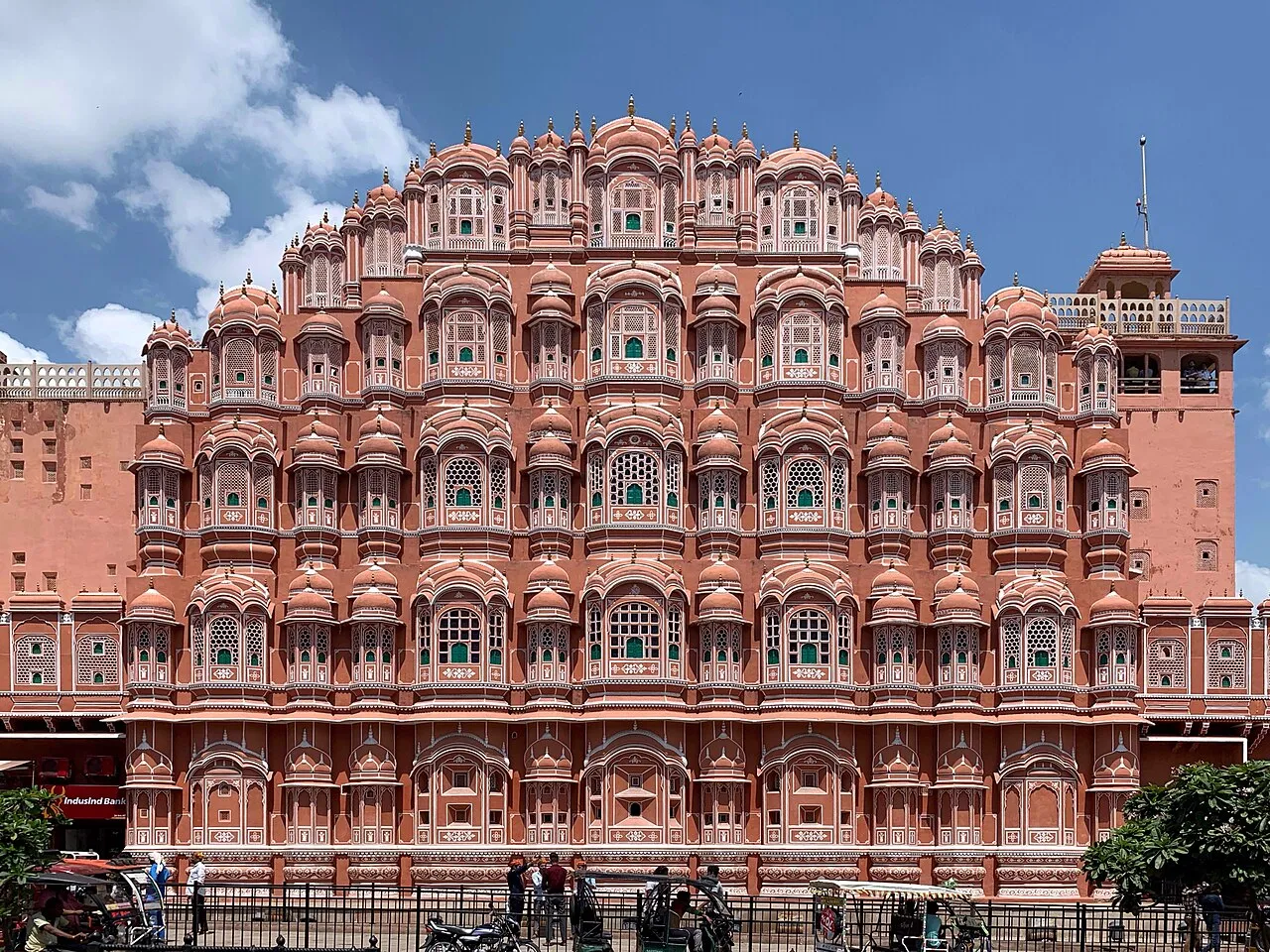
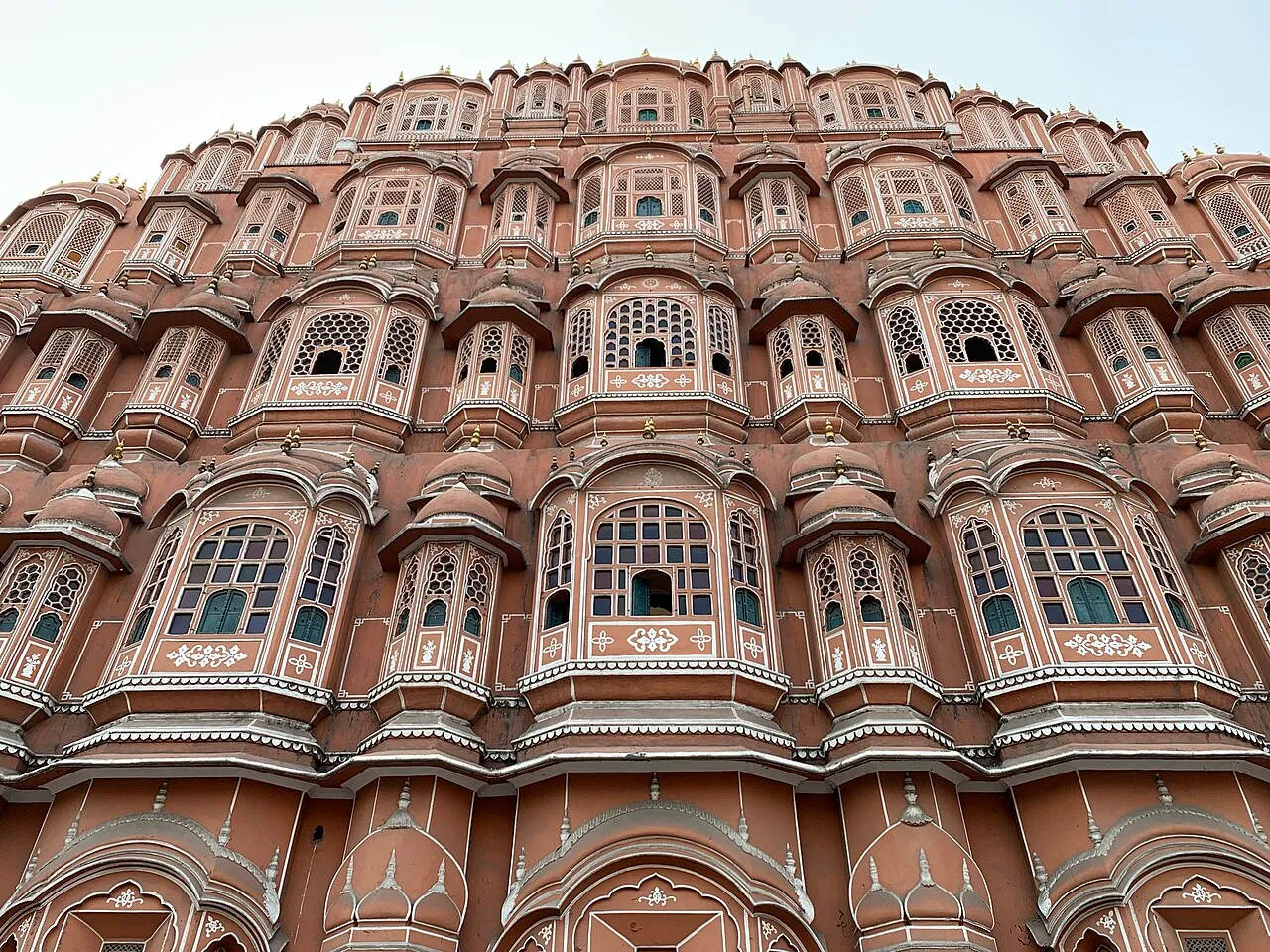
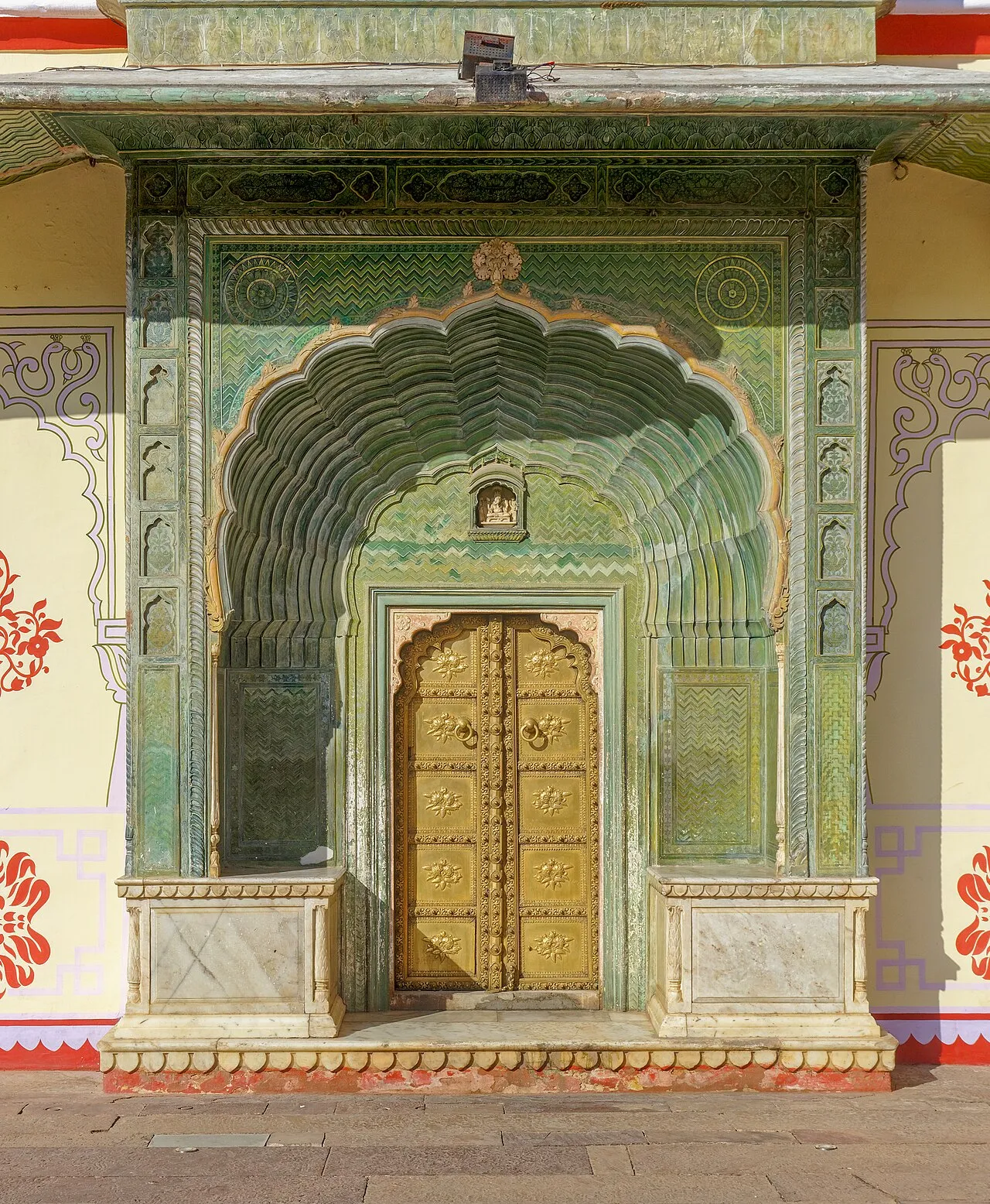
The City Palace is still partly a royal home. Nearby, Jantar Mantar is a UNESCO-listed set of giant stone instruments built to measure time and track the sky. The five-storey Hawa Mahal screen was made so royal women could watch street life unseen.
Bazaars and craft
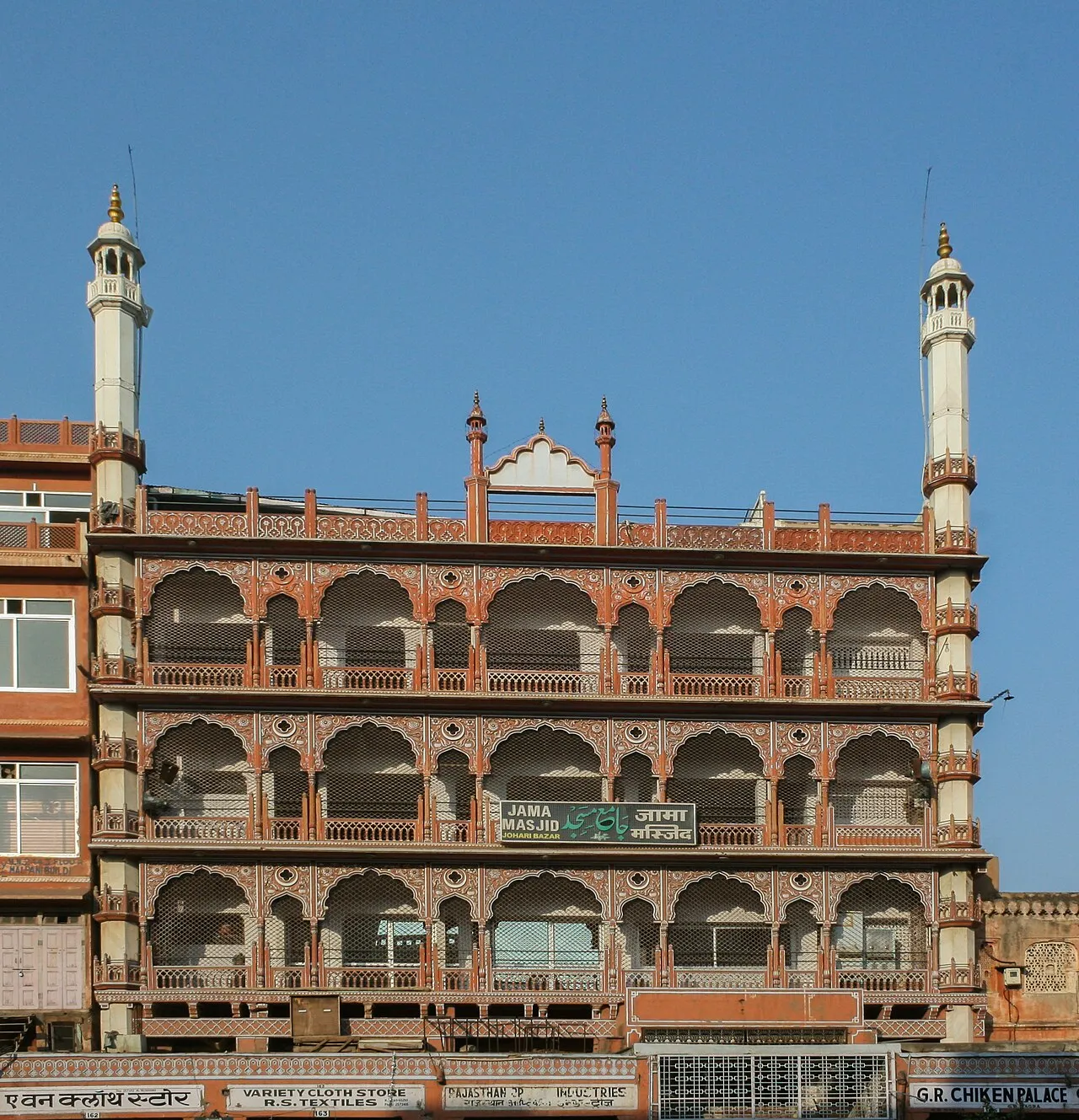
Johari Bazaar is known for jewellery, Bapu Bazaar for textiles and leather slippers. A short trip to Sanganer or Bagru shows hand block printing at work. Finish with dal baati churma or a bowl of laal maas.